Why Auto Engines Matter: Understanding Their Role in Your Vehicle
Why Auto Engines Matter: Understanding Their Role in Your Vehicle
Blog Article
At the heart of every vehicle lies an intricate engine, comprised of a multitude of parts, with each part serving a significant function. For automotive enthusiasts and regular drivers alike, having a clear understanding of engine components is paramount for effective maintenance and repair. By identifying the individual parts and understanding their operations, you can enhance your ability to carry out repairs or replacements and ensure that you make the best choices for your vehicle’s needs the official site. If you're considering purchasing engine parts or wish to explore what’s available, it’s important to grasp the different engine component types before making your decisions. The operation of an engine depends on a variety of components that work harmoniously to transform fuel into mechanical energy. Generally, an engine consists of both moving and stationary elements such as the engine block, crankshaft, camshaft, pistons, and cylinder heads, among others. The engine block acts as the structural base, containing the cylinders in which the pistons operate. In addition, the crankshaft is responsible for converting the linear motion produced by the pistons into rotational energy, which drives the vehicle forward. Moreover, the engine's functionality relies on critical systems like the fuel system, exhaust system, and cooling system that integrate various parts to ensure optimal performance. Engine components can primarily be divided into internal and external categories. Internal components encompass elements like the pistons, crankshaft, and camshaft, which collaborate to facilitate the combustion process. Conversely, external components include the intake and exhaust manifolds, timing belts, and exhaust systems, all of which are essential for regulating airflow and emissions. Familiarizing oneself with these parts can significantly simplify the process of sourcing used engines locally or undertaking a complete engine rebuild. When searching for engine parts, it’s essential to evaluate your options carefully. Start by identifying reputable engine shops near you, ensuring they have a solid track record for quality and service. Visiting such shops can provide insight into available inventory, whether you’re inquiring about engines for sale or seeking specialized components for an engine replacement shop near you. Ratings and reviews can provide a clearer picture of what to expect, helping you choose the best place to buy rebuilt engines. The cost of engine parts varies widely depending on the make and model of your vehicle, as well as the type of parts required. For example, remanufactured engine parts may offer a cost-effective solution compared to brand new components but might still carry a higher price tag compared to used parts. When budgeting, consider the expense of labor if hiring a mechanic or the tools if opting for a DIY approach. Investigating options such as remanufactured engines and used engines for sale near me may reveal significant savings, especially for older or classic vehicles. Engine parts refer to the various elements that make up an engine, including internal components like crankshafts and pistons, as well as external elements such as radiators and exhaust manifolds. Each component is essential for ensuring the engine functions effectively. Selecting an engine parts provider involves conducting thorough research on local retailers, checking reviews from previous customers, and assessing prices to ensure quality. Recommendations from friends or family might also help you identify reliable suppliers. The pricing of engine parts can fluctuate, dependent on the type of component needed and its condition, whether it is new, used, or refurbished. Generally, parts for popular vehicle brands are more budget-friendly, while those for rare or luxury models may be more costly. You can typically locate used engines at local junkyards, specialized engine retailers, or digital marketplaces that focus on automotive components, providing a range of choices to suit your specific requirements. Rebuilt engines are generally reliable, especially when the work is done by skilled technicians at recognized shops, as they undergo rigorous inspection and refurbishment to ensure that they meet or surpass the original design specifications, thereby prolonging the vehicle's lifespan.Overview of Engine Parts
Types of Engine Parts
Finding the Right Parts for Your Engine
Cost Considerations and Budgeting
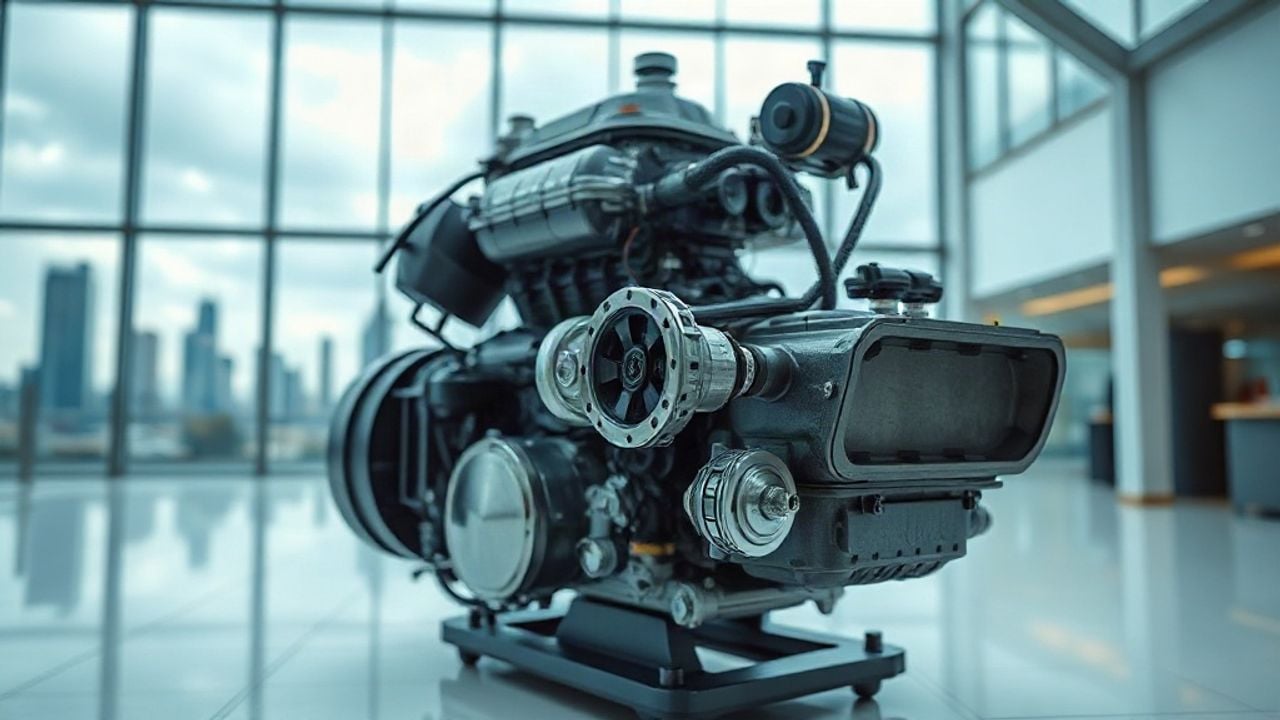 engines for saleengines for sale overview
 Frequently asked questions
What are engine parts?
How do I choose an engine parts provider?
How much do engine parts cost?
Where can I find used engines for sale?
Are rebuilt engines reliable?
Engine parts
Tips for Maintaining Engine Parts
Regular maintenance is key to extending the lifespan of engine components. Simple practices such as timely oil changes, coolant flushes, and using quality fuel can make a significant impact.
- Stay up to date with service schedules to prevent major engine issues.
- Use the manufacturer’s recommended engine oil to help lubricate moving parts effectively.
- Inspect timing belts and hoses regularly for signs of wear or damage.
- Monitor the engine temperature, as overheating can lead to severe engine damage.
- Replace filters regularly to ensure optimal air and fuel flow to the engine.
Understanding engine parts is essential for anyone who wants to take control of their vehicle maintenance or replacement. Knowledge of the components, along with proper selection and installation methods, can lead to better performance and longevity.
Investing time in learning about your engine's needs can save money and enhance your vehicle's reliability for years to come.